Photo by Daniela Muntyan on Unsplash
Writing from the Heart.
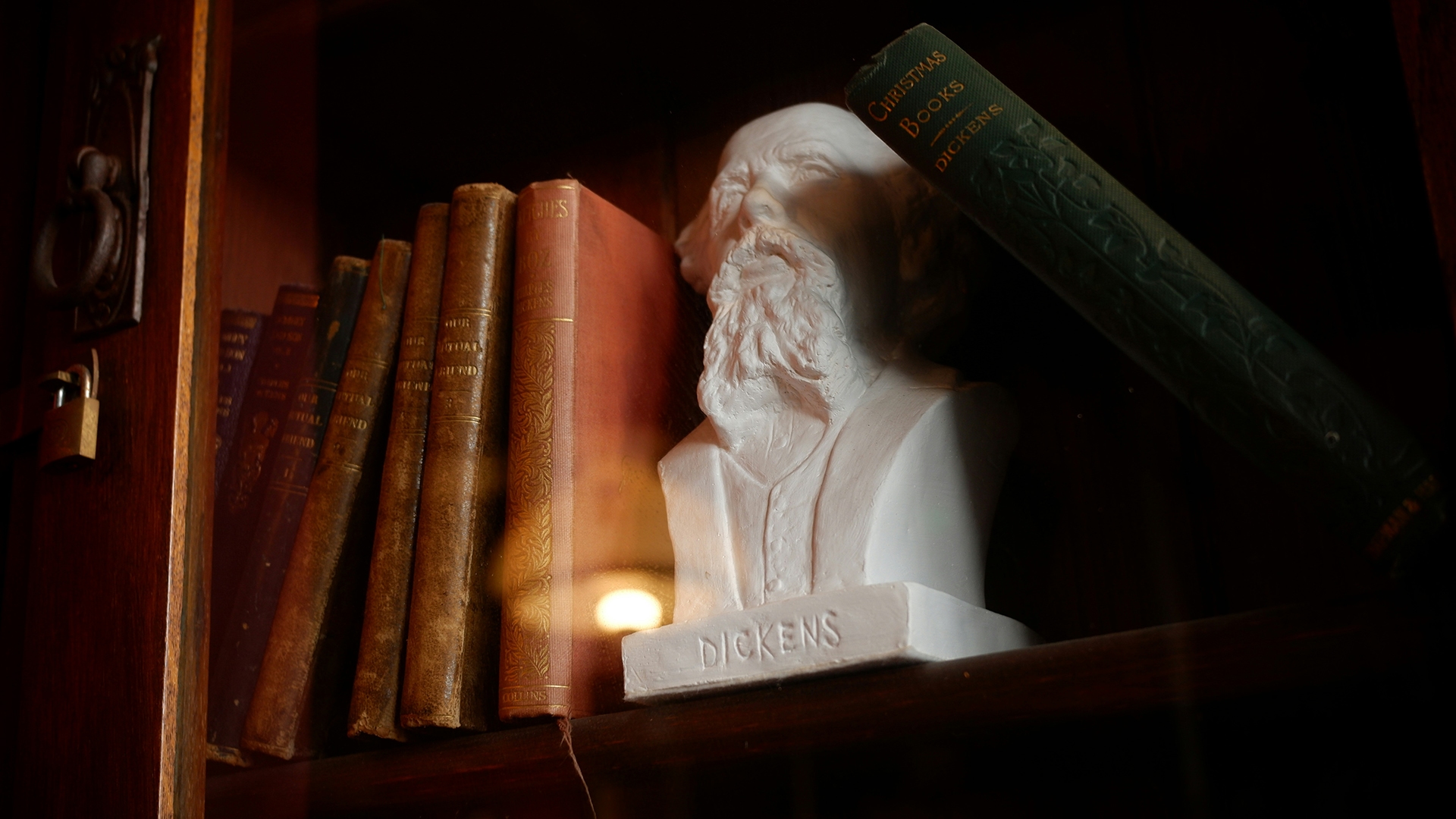
The life of Charles Dickens reads like one of his novels. His difficult and deprived childhood didn’t destroy him; it made him a compassionate advocate for the poor.
By The Foundation for a Better Life
As a 12-year-old boy, young Charles Dickens was forced to leave school and spend 10-hour days pasting labels onto shoe polish bottles in a rat-infested London warehouse. His father had been hauled off to a notorious debtor’s prison, and his family was drowning in poverty. The rigid social strata of Victorian society offered no safety net for a child left to fend for himself.
Instead of letting hardship defeat his spirit, Charles Dickens absorbed every injustice and transformed it into a fierce empathy for the vulnerable, the forgotten and the broken.
A small family inheritance allowed him to continue his education for a few years before he went to work as a journalist. Eventually, he created a serial story that would become “The Pickwick Papers,” later going on to create unforgettable characters like the starving orphan Oliver Twist, the resilient David Copperfield and the gentle, disabled Tiny Tim. His villains redefined tropes, with characters like the Artful Dodger and Scrooge showing us how bad decisions, not just bad circumstances, make the person.
Dickens’ popularity arose from his ability to expose the heavy human toll of Victorian prosperity, industrial greed and institutional neglect, and to uncover the best parts of human ambition: love, kindness and resilience.
Dickens had a brilliant imagination and a relentless work ethic. He stepped onto the global stage not just as an author, but as a champion for the voiceless. His stories bypassed the intellect and struck straight at the heart. His words forced readers from every walk of life – from impoverished laborers to wealthy industrialists – to look directly at the plight of the poor. With every serialized installment and every public reading tour that spanned continents, Dickens didn’t merely entertain; he ignited a cultural awakening. He proved that storytelling could bridge social divides, awaken slumbering consciences and inspire charity that provided opportunity.
In short, Charles Dickens reminded the world that humanity’s greatest duty is to care for one another. Even today, each time a community comes together to ensure no one is left out in the cold, or a struggling child is handed a chance at a better tomorrow, the ripple effect of Dickens’ great heart is still felt.
Compassion… PassItOn.com®
Copyright ©2026 The Foundation for a Better Life. All rights reserved. Available under a Creative Commons Attribution NonCommercial-NoDerivatives 4.0 License (international): https://creativecommons.org/licenses/by-nc-nd/4.0/

The Foundation for a Better Life, a 501(c)(3) non-profit organization, gives your newspaper permission to publish these stories in print and electronic media (excluding audio and video), provided the stories are published in their entirety, without modification and including the copyright notice. For any modification, permission must first be obtained from the Foundation by emailing media-relations@passiton.com. Thank you.
We add new stories each month. If you'd like to be notified when we publish new stories, enter your information below.


