The Foundation for a Better Life
The 16-year-old Who Spent Summer Vacation Saving Lives.
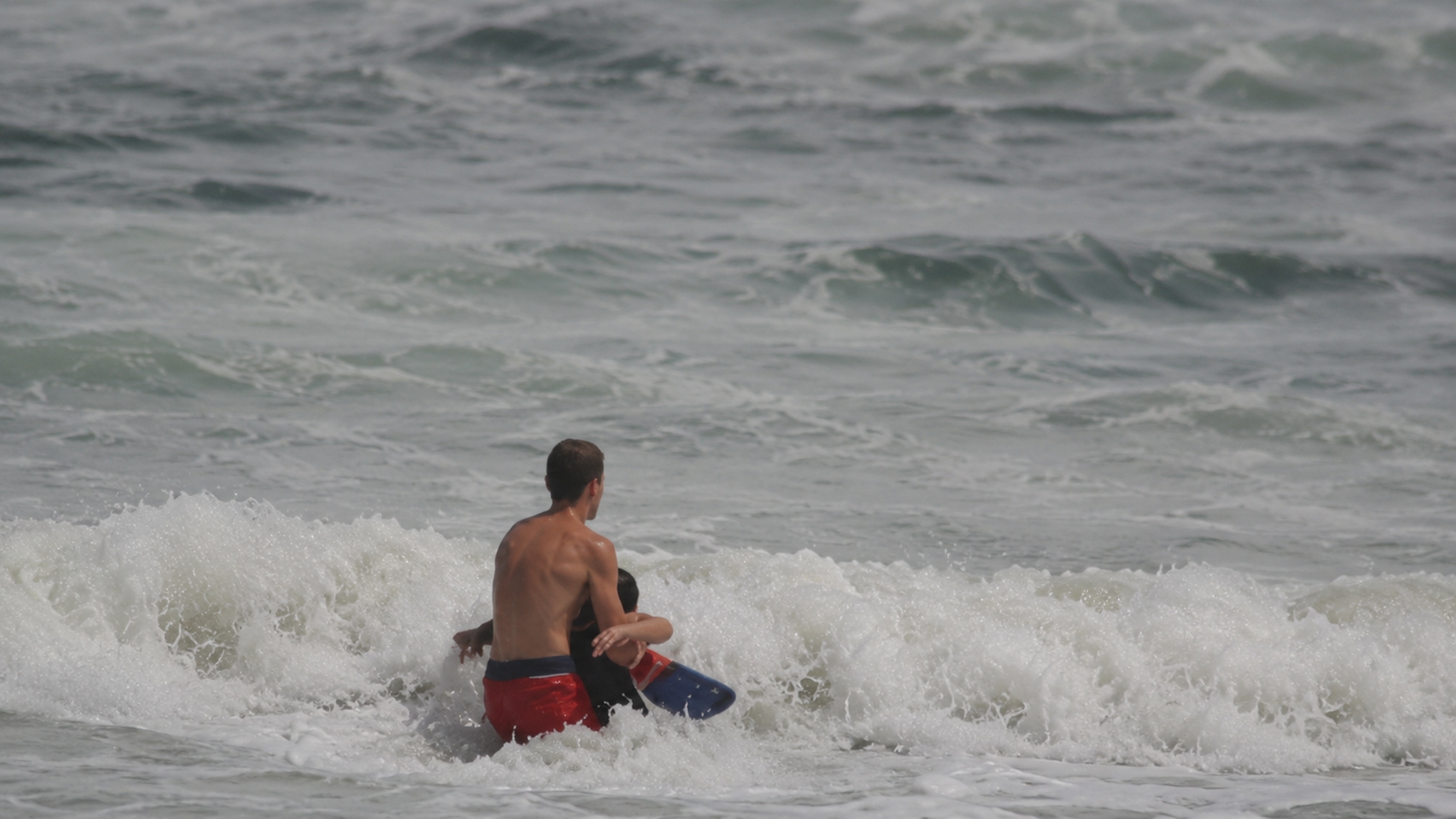
Video of Ryder Williams saving a 10-year-old boy from towering waves in California has gone viral. Ryder says it’s all part of the job.
By The Foundation for a Better Life
Ryder Williams has rescue in his DNA. The son of a retired firefighter, he began his rookie year as a lifeguard on a sandy beach in northern California. Like plenty of young people, he planned to enjoy his summer job keeping an eye on residents and visitors enjoying a beautiful bay. Then everything changed.
Like a lot of California kids, Williams practically grew up in the water. At age 6, he was swimming on his own and boogie boarding in the ocean. He excelled at water polo, a sport that is a lot like soccer in the pool, but with your opponent trying to wrestle you into submission. His mother Shannon jokes about being uncomfortable “with everyone trying to drown our son.”
Williams used the skills he gained to his advantage in junior lifeguard training. As luck would have it, he had to fight through four days of fever and fatigue to complete certification, but he did it. He achieved his goal.
Williams’ first assignment was at Seabright Beach in Santa Cruz in the summer of 2026. It’s a popular vacation spot, and the weather is mostly mild. The beach sits in a bay cut into the coastline that is semi-protected from heavy swells. The waves are a manageable 2 to 4 feet high, perfect for surfing and playing. But on July 25, waves generated far out to sea by Hurricane Fausto suddenly came crashing into the bay.
Waves quickly reached 10 feet, violently pummeling the beach. Ten-year-old Nathaniel was playing in knee-deep water when one of the monster waves crashed around him and the rip tide swept him into the churn. He disappeared, bobbed up for breath, then was gone again.
Williams radioed for backup and dashed into the waves. He dove through the larger waves and surfaced close enough to the flailing boy to grab hold of him. And that’s when the struggle began. Waves crashed in from all directions, filled with sand and debris. Currents moving out to sea were as strong as the waves pounding the beach.
Williams gripped Nathaniel and struggled toward shore. He dove with the boy under incoming waves, kicked his way to the surface, held the boy tight, planted his feet, got swept deeper, fought back. Several bystanders tried to help, but the waves were too violent. Williams persisted, the boy now limp. He dragged him through the wash, was pushed back, fought forward. After two long minutes, Williams had the boy on dry ground.
There was, of course, a tearful reunion between Nathaniel and his parents. But Williams wasn’t there. The waves were still high and dangerous. He would make four rescues that day. Nathaniel was his first ever. Williams was nonchalant about it and surprised at all the attention.
A bystander had filmed the rescue and posted it on social media. Williams never saw it. He doesn’t have social media. But he does have a phone, and a few days later he received a call from the White House. It was the President of the United States thanking him for his courage and inviting him to receive a civilian award for bravery.
Be A Hero… PassItOn.com®
Copyright ©2026 The Foundation for a Better Life. All rights reserved. Available under a Creative Commons Attribution NonCommercial-NoDerivatives 4.0 License (international): https://creativecommons.org/licenses/by-nc-nd/4.0/

The Foundation for a Better Life, a 501(c)(3) non-profit organization, gives your newspaper permission to publish these stories in print and electronic media (excluding audio and video), provided the stories are published in their entirety, without modification and including the copyright notice. For any modification, permission must first be obtained from the Foundation by emailing media-relations@passiton.com. Thank you.
We add new stories each month. If you'd like to be notified when we publish new stories, enter your information below.