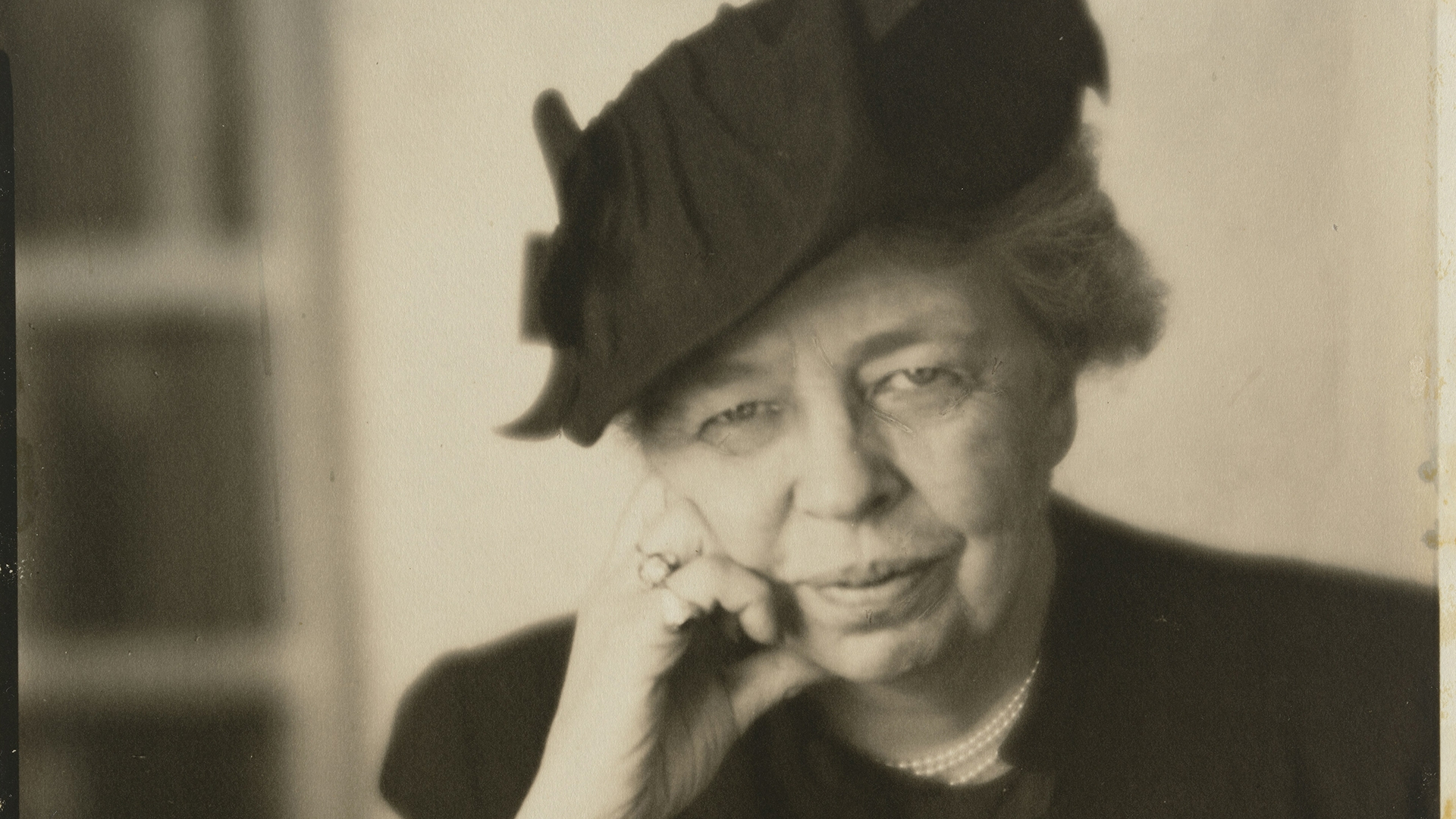
Photo by Smithsonian on Unsplash
Eleanor Roosevelt, Lioness of the White House.
At a time when the First Lady was expected to be a silent and supportive partner, Eleanor Roosevelt made her voice loud and clear as an advocate for the underserved.
By The Foundation for a Better Life
New York society life at the end of the 19th century was the stuff of legends and Hollywood movies. America had spread its economic wings, and the ultra-wealthy beneficiaries clustered in New York City, where they could share in the spoils. Private clubs and posh societies centered on displays of wealthy aristocracy.
Eleanor Roosevelt was born into this refinement, but her mother pigeonholed her as “plain” and not worthy of much attention. The affection-starved little girl would be dressed up and ignored, sent to boarding school in Europe and treated mostly as a prop.
When her mother died and her alcoholic father was admitted to a sanitarium, Roosevelt was sent to live with her grandmother. All that trauma left her prone to depression despite her fine education. At boarding school, a headmistress took young Roosevelt under her wing and gave her a chance to flourish, encouraging her writing talents and nourishing her independent mind. Of those years, when she thought herself an “ugly duckling,” Roosevelt wrote: “No matter how plain a woman may be, if truth and loyalty are stamped upon her face, all will be attracted to her.”
That independent thinking indeed made her attractive to Franklin Roosevelt, another offspring of wealth and privilege – and Eleanor’s fifth cousin, who shared her last name. They met on a train and began a secret correspondence. When Franklin Roosevelt’s mother discovered the relationship, she forbade their marriage and did everything she could to discourage it, even sending Franklin abroad to school for a year.
But the two persisted, and Eleanor’s uncle Theodore, then President of the United States, gave her away in marriage to the distant cousin who shared her mindset. And while the feud with her mother-in-law raged, Roosevelt went to work on causes she cared about rather than resign herself to a decorative post as the spouse of New York’s first family.
When candidate Franklin Roosevelt developed a paralytic illness, Eleanor stood in for him, giving speeches and making public appearances. She campaigned for a more sensible workweek and a minimum wage. And she nursed his health and gave him the confidence to continue his career in politics.
When they reached the White House together, Franklin went to work on policies, and Eleanor expanded her efforts. She wrote a monthly column and hosted a radio show. She became an outspoken advocate for veterans’ rights, created programs that put America’s youth to work, supported efforts for better farming practices, stood up for women’s rights and sometimes publicly disagreed with her husband’s stance on policies. She was dubbed “A Welcome Thorn” in the side of the President. Most famously, she launched a memo barrage to the US military, demanding reform in the treatment of families of enlisted soldiers. She wrote so many letters that a second general had to be assigned just to manage her correspondence.
Challenging the military establishment. Broadcasting her support for women and demanding change. Speaking out for farmers, everyday workers and especially children. This is Eleanor Roosevelt’s legacy. Rather than take the easy path, she, as in Robert Frost’s poem, took “the road less traveled.” And that did make all the difference – to millions of people, for many decades to come.
Be Heard… PassItOn.com®
Copyright ©2026 The Foundation for a Better Life. All rights reserved. Available under a Creative Commons Attribution NonCommercial-NoDerivatives 4.0 License (international): https://creativecommons.org/licenses/by-nc-nd/4.0/

The Foundation for a Better Life, a 501(c)(3) non-profit organization, gives your newspaper permission to publish these stories in print and electronic media (excluding audio and video), provided the stories are published in their entirety, without modification and including the copyright notice. For any modification, permission must first be obtained from the Foundation by emailing media-relations@passiton.com. Thank you.
We add new stories each month. If you'd like to be notified when we publish new stories, enter your information below.