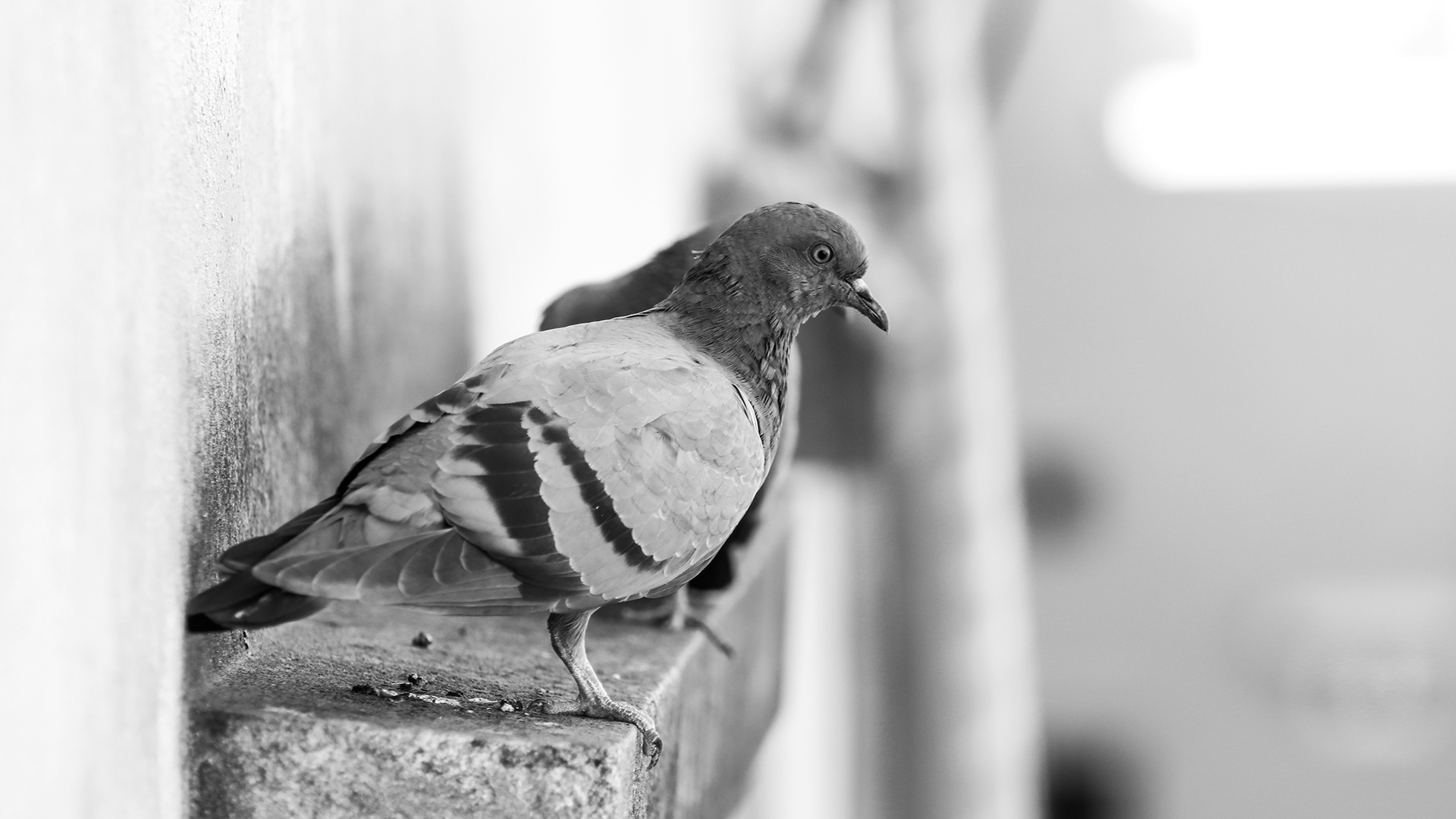
Photo by Simon Reza on Unsplash
The Pigeon that Saved 194 Soldiers During World War I.
In the absence of clear battlefield communications, signal corps used carrier pigeons to deliver critical information to commanders. 100,000 of these fine-feathered heroes served in WWl.
By The Foundation for a Better Life
The lowly pigeon, or so many people think. They clutter the streets of big cities and leave their signature droppings on civic statues. They neither hunt nor forage in the woods but rather collect scraps from generous tourists and senior citizens. The life of a pigeon is one of relative ease.
But beneath that swarthy exterior and “hakuna matata” attitude is a talent for direction that still mystifies biologists. A pigeon has supernatural-seeming homing instincts. Take these birds hundreds of miles from their home and keeper, transported by wicker basket to a completely foreign geography, and within days, that little bird with a brain the size of a pea will return home.
How do they do this? Homing pigeons use a multi-sensor system to navigate. Magnetoreception to read the Earth’s magnetic field, an internal solar compass to read the sun and keep track of time, scent maps and visual landmarks to pinpoint the exact location.
Once mainly used to satisfy the curiosity of hobbyists, the homing pigeon’s value as a message carrier was realized during wartime. Communication is key in a battle. The wrong message, or failure to coordinate a plan, can be disastrous. Consider Napoleon and his failure at Waterloo, and you discover the damage a communication breakdown can cause.
Pigeons are fast, they do one thing, and they are cheap to maintain. In WWI, a troop always included carrier pigeons to communicate valuable information to and from HQ. But in the final push on the Western front, an Allied troop was pinned behind enemy lines. In the confusion of war, they were taking fire from both sides, unable to communicate their position to their superiors. Their hopes of being rescued came down to their last pigeon, affectionately named Cher Ami, which literally means “dear friend.” With a wing and a prayer, and a message detailing their position and a plea to stop bombing their quadrant, Cher Ami was tossed into the air.
Explosions and smoke can disorient the best of us. Cher Ami flew into a nearby tree, where he merely hopped from branch to branch. A brave soldier ran into the chaos and shook the tree until the little bird took off. The enemy, now tipped off to the bird’s importance, opened fire. Cher Ami was struck in the breastbone and wounded badly. He lost a leg. But he regained his composure and circled into the air. Above the smoke and the gunfire he climbed, until he could get his bearings and make his way back to his handler. The message was delivered, coordinates were modified, and 194 soldiers were rescued.
Cher Ami became a celebrity. The little bird got the best medical care, even after losing a leg. Men who owed their lives to the humble pigeon paid homage for years at the museum where Cher Ami is preserved, thanks to a great taxidermist, standing proudly on one foot, with one eye on the destination ahead and the other on the men to whom he was devoted.
Be Heroic… PassItOn.com®
Copyright ©2026 The Foundation for a Better Life. All rights reserved. Available under a Creative Commons Attribution NonCommercial-NoDerivatives 4.0 License (international): https://creativecommons.org/licenses/by-nc-nd/4.0/

The Foundation for a Better Life, a 501(c)(3) non-profit organization, gives your newspaper permission to publish these stories in print and electronic media (excluding audio and video), provided the stories are published in their entirety, without modification and including the copyright notice. For any modification, permission must first be obtained from the Foundation by emailing media-relations@passiton.com. Thank you.
We add new stories each month. If you'd like to be notified when we publish new stories, enter your information below.