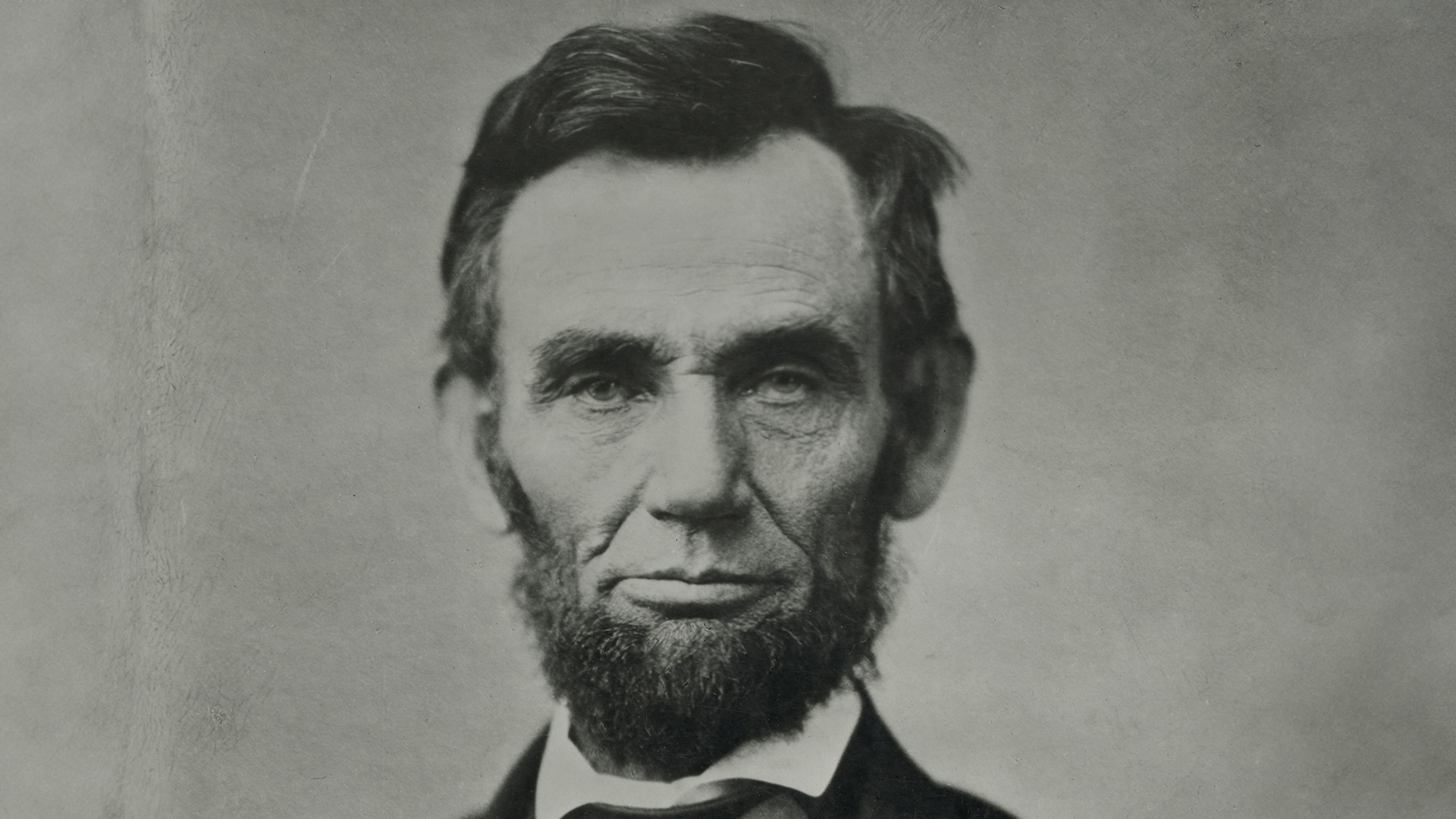
Photo by Library of Congress on Unsplash
The Courage to Forgive and Rebuild.
Abraham Lincoln delivered a unifying speech on rebuilding and forgiving as the violent American Civil War was gasping its last, brutal breath. It is known unceremoniously as “The Second Inaugural Address.”
By The Foundation for a Better Life
To have been around Abraham Lincoln during his lifetime was sometimes described as being in awe of the man. His towering height, topped with a stovepipe hat, made him a formidable presence. His angular, lanky body was a stark contrast to many of the rounder and shorter politicians of the day. But the weight of holding a country together while purging it of slavery weighed his shoulders to a bit of a slump and etched the lines of his face deeply beneath his compassionate eyes.
Still, Lincoln’s strong hands wielded the most effective weapon of the time: the pen. A prolific writer, he sketched out anecdotes and homilies, policies and field instructions, always with “Lincolnisms” that made the script recognizable.
Lincoln’s first presidential term was engulfed in a war that many had believed would be over in a few months. Instead, it dragged on for years, testing the resolve of those who lost their sons and their livelihoods in the conflict. As the end grew near, the overall death count neared 1 million, while the numbers of the maimed and displaced soared even higher. There were victors who felt justified in punishing their foes for the great and bloody sin of the whole affair. They argued that someone had to pay.
But Lincoln, the man who spent his boyhood in disadvantaged circumstances and could have sought retribution for the aggrieved North, pursued a more forgiving tone. He knew the war would continue to rage on in the hearts of all unless some kind of reconciliation was made. When he was elected for a second term, he created a speech about the future of the country, not the aims of his own presidency.
Lincoln’s Second Inaugural Address is often named as one of the most significant documents of American history, behind only the Declaration of Independence and the Constitution. At a time when candidates pounded the pulpit for hours in their speeches, Lincoln delivered an address that was only four paragraphs long — less than 700 words. But what words they are.
Lincoln introduced to our collective consciousness “malice toward none,” which built on his sentiment from his first inaugural address, when he believed war could be avoided and urged the nation to seek “the better angels of our nature.” At his second inauguration, he pled “charity for all” as he encouraged his people to “bind up the nation’s wounds, to care for him who shall have borne the battle and for his widow and his orphan, to do all which may achieve and cherish a just and lasting peace among ourselves and with all nations.”
The speech was for everyone, North and South, rich and poor, recently emancipated and former slaveholder. “Fervently do we pray,” Lincoln called out in his beleaguered voice, “that this mighty scourge of war may speedily pass away.”
Seek Unity… PassItOn.com®
Copyright ©2025 The Foundation for a Better Life. All rights reserved. Available under a Creative Commons Attribution NonCommercial-NoDerivatives 4.0 License (international): https://creativecommons.org/licenses/by-nc-nd/4.0/

The Foundation for a Better Life, a 501(c)(3) non-profit organization, gives your newspaper permission to publish these stories in print and electronic media (excluding audio and video), provided the stories are published in their entirety, without modification and including the copyright notice. For any modification, permission must first be obtained from the Foundation by emailing media-relations@passiton.com. Thank you.
We add new stories each month. If you'd like to be notified when we publish new stories, enter your information below.