Photo by Kseniia Jin on Unsplash
Kids are Finding a Place on the Farm.
On a six-acre lot that abuts an industrial park, students who didn’t fit the traditional mold are flourishing. The secret? Teaching love and responsibility with farm animals.
By The Foundation for a Better Life
On a six-acre lot that abuts an industrial park, students who didn’t fit the traditional mold are flourishing. The secret? Teaching love and responsibility with farm animals.
When Tyler Bastian was a teacher, he resisted putting labels on students. Now, as the director of Roots High School, he resists not just labels but also the limitations of classroom walls.
“Kids need to be loved, not labeled,” Bastian says from his open office. Students drop by to take a break, to talk, express frustration or grab a donut.
“The school philosophy is based on Fred Rogers,” Bastian says. “He came up with 1-4-3, which is the number of letters in each word: I love you. We changed it to [2-4-3 for] We Love You.” And indeed, those words of affection are expressed often as kids and teachers pass each other in the hallways and enter classrooms.
“I love it here,” one student says. “I was at three other schools before I came here. The teachers know my name, and they have time to talk to me.” He lights up about, of all things, going to class and learning.
And he’s not alone. Every student is there by choice. They want to go to school. They want to learn. But they struggled at traditional schools because these kids are anything but traditional. Many are breaking away from gangs; many have family lives that work against their success. And some are just not comfortable in large groups of look-alike kids.
But why Roots High School? What makes it different?
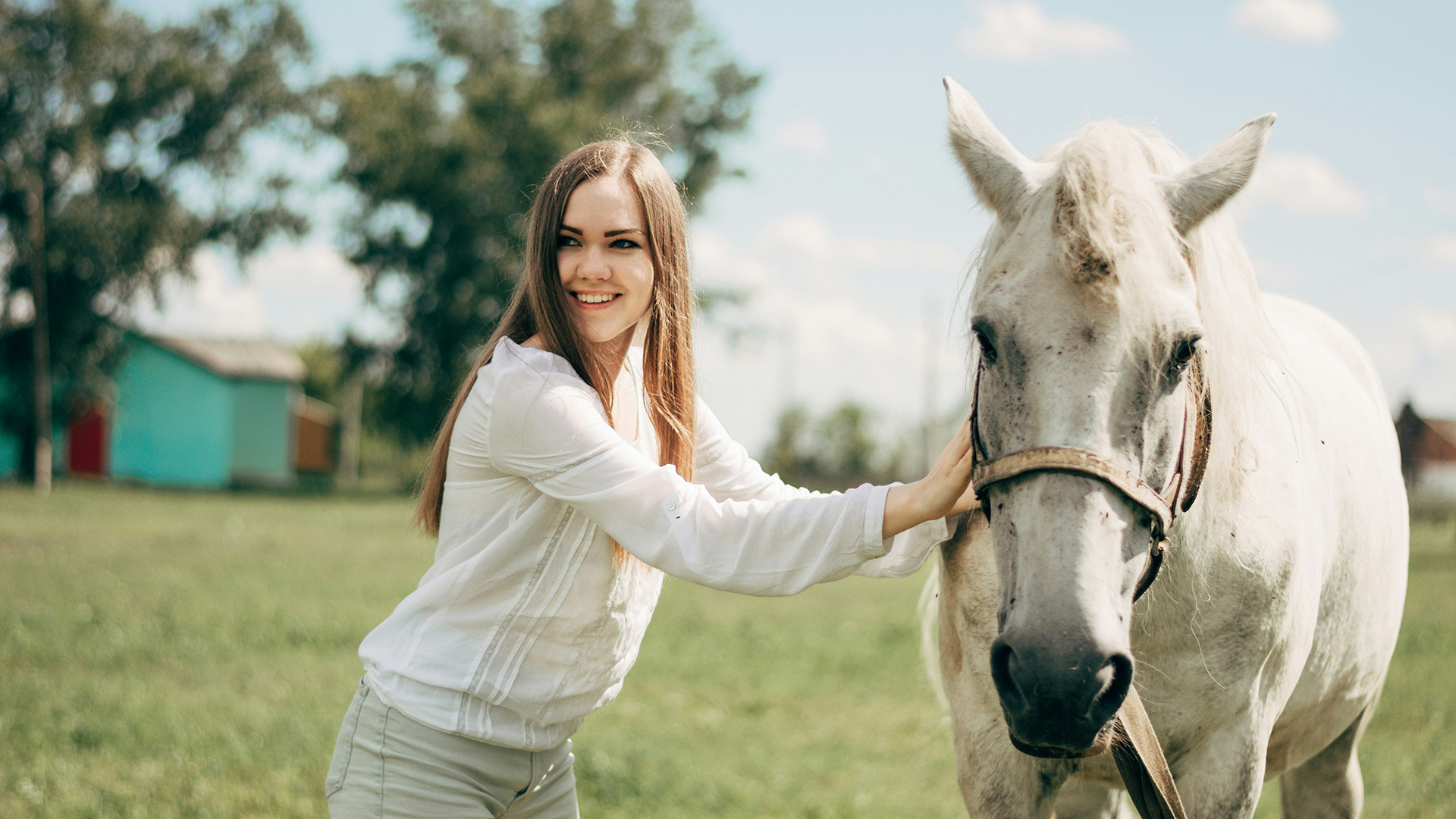
“We have a functioning farm,” Bastian says, walking through the late-season mud between pens of goats, chickens and sheep. There are plots of flowers to be cut and sold to florists, and vegetables to be sold at farmers’ markets. “Every kid loves to come out here when the babies are born,” Bastian adds.
Loving an animal opens your heart to be loved by another human being. It’s all about understanding the unfairness of life and finding ways to grow through the hard times.
“Anger happens when we are afraid to deal with our emotions,” says 17-year-old Marcella. “Trouble happens when we are afraid to say ‘I love you.’”
The farm animals are more than therapy animals. They are sold off each year to be processed. You would think the experience would be traumatic.
“It’s the cycle of life,” Bastian says. “We have to be honest about what life is so we can deal with it honestly.”
Former students return to the farm, some with families of their own, because it is where they first felt love and learned how to love. Tyler has taken the traditional reality of Change > Grow > Belong > Love and flipped it on its head to be Love first, then you feel like you belong, and that leads to growth and finally change for the better.
“Every teacher here has to be a relationship builder,” Bastian says.
Through their efforts, kids get the piece they are missing at home or in the community, and it makes all the difference. When they feel love, they work harder, but there’s a lot of making up to do. Tyler uses technology to deliver lessons and measure progress, even implementing AI to close the gap. But once you step onto the farm, all technology is put away.
“If you are staring at your phone, you will miss that bee on the flower and that baby chick hatching,” Bastian says. “Those lessons are deeply important.”
Turns out, nature is a pretty good teacher. We just have to become the facilitators and be generous with those 1-4-3s.
“The first time I heard the words ‘I love you’ was when I was 15 years old,” a boy relates.
That’s far too long to wait.
I Love You. Say It Today… PassItOn.com®
Copyright ©2026 The Foundation for a Better Life. All rights reserved. Available under a Creative Commons Attribution NonCommercial-NoDerivatives 4.0 License (international): https://creativecommons.org/licenses/by-nc-nd/4.0/

The Foundation for a Better Life, a 501(c)(3) non-profit organization, gives your newspaper permission to publish these stories in print and electronic media (excluding audio and video), provided the stories are published in their entirety, without modification and including the copyright notice. For any modification, permission must first be obtained from the Foundation by emailing media-relations@passiton.com. Thank you.
We add new stories each month. If you'd like to be notified when we publish new stories, enter your information below.