Woman Starts Program to Distribute Surplus Meals to Food Banks.
LOS ANGELES, Calif.—Hillary Cohen, a TV show and film assistant director, started an on-set food distribution program to ensure that surplus food would be donated to nearby food banks.
August 18, 2026 by
Since 2020, her Every Day Action program has redistributed more than 270,000 meals from TV and films sets as well as other local businesses.
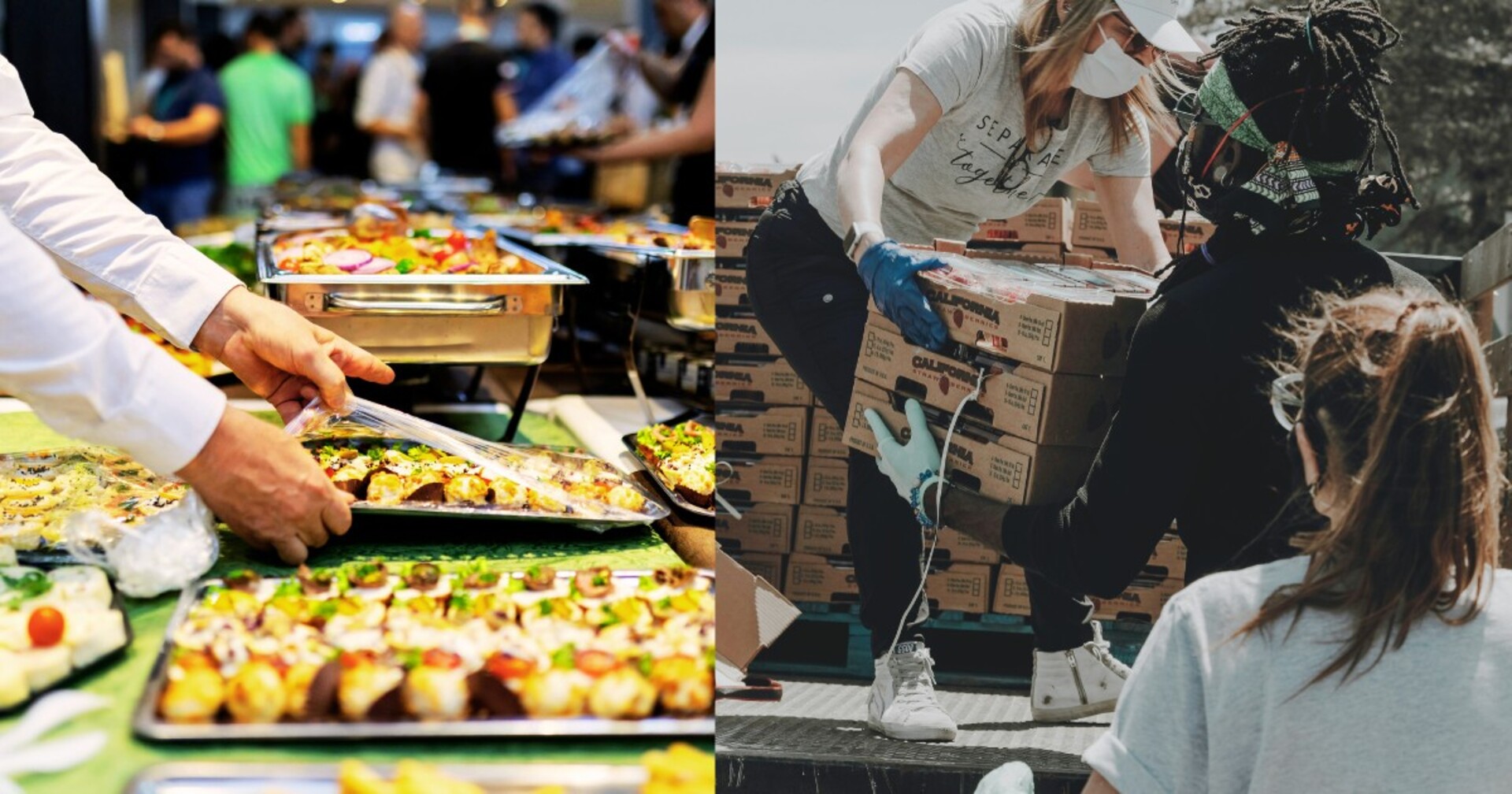
During her more than 15 years working behind the scenes on television and film sets, Hillary worked long hours alongside teams of lighting, costume and set design professionals to help bring stories to life on screen. As a perk of the job, these hardworking crews dined on gourmet, chef-prepared meals that would often include steak and seafood. Hillary felt dismayed to see the leftover items discarded at the end of the day.
“They would just throw it out,” she said. “I was always told, ‘We can’t donate the food. It’s too hard. If someone gets sick, it’s a liability.’”
Hillary’s frustration grew over time, and she suspected that there had to be a workable solution to this glaring problem. She had an idea in mind about how to distribute the food, but her long work days limited her ability to pursue it. Then the 2020 industry slowdown happened, and she had time to explore the options.
“I’d been saying for a long time that someone should do something about this, and no one had done it,” she said. “So, I realized … maybe I’ll just try.”
Her job on set usually called for her having to figure things out on the fly.
“I’m a high-stakes problem-solver,” Hillary said. “In this business, you often hit a roadblock and have to figure out a new plan, so we just approach every day that way.”
She teamed up with her colleague, Samantha Luu, who agreed that someone needed to address the food waste issue on-set. Together, they imagined creating a program that would efficiently transport surplus food from sets and other nearby businesses to local food banks.
Hillary first arranged for the studio to obtain liability insurance, which fully released them of any legal responsibility for the food donation and alleviated management’s concerns. She then used her contacts to convince studios and a handful of local businesses to join the effort.
At first, Hillary and Samantha made the pickups themselves with the help of volunteers. They transported the food in thermal bags to keep it at a safe temperature. Later, the pair would file the program as an official non-profit organization, which they named Every Day Action.
Every Day Action has developed a Film Industry Driver Program, which provides a day rate to production assistants and background actors to transport the food. The driver program helps on-set employees make extra money as they contribute to a worthy cause within their community.
Hillary spends most of her time now on coordinating the logistics required to keep Every Day Action running, including managing drivers, organizing volunteer training and coordinating shifting schedules.
The Every Day Action team handles pickups 24 hours a day, seven days a week, from up to 10 locations per day. Volunteers and drivers then distribute the donations to local food banks, community fridges, and homeless shelters and encampments.
“I feel like my skill set is called to do this,” she said. “Now, more than ever, we have to help each other.”
The Foundation for a Better Life and PassItOn believe that Hillary Cohen and Samantha Luu are heroes. Their action is a great example of the value of compassion. Together, they identified a way to help curb food waste and, in the process, have helped those in need within their community.